
Welcome to AniWorld: German family films and series in English, from The Wild Soccer Bunch, Hanni & Nanni and The School of the Magical Animals to Momo, Jim Button, Pumuckl and the Grimm fairy tales, and where to watch them
285 German-language films and series for families: fairy tales, magic and fantasy, kid detectives, school stories, football and horses, and classic children's television. Search a title, pick a letter, and press Watch now. Your AniWorld team
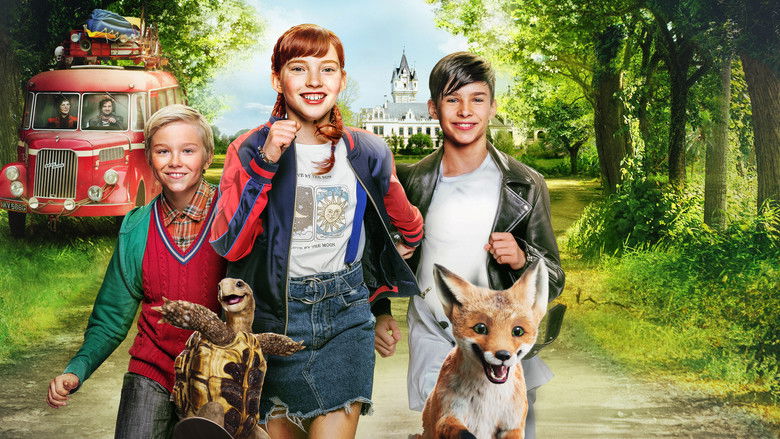 The School of the Magical Animals2021 · 93 min
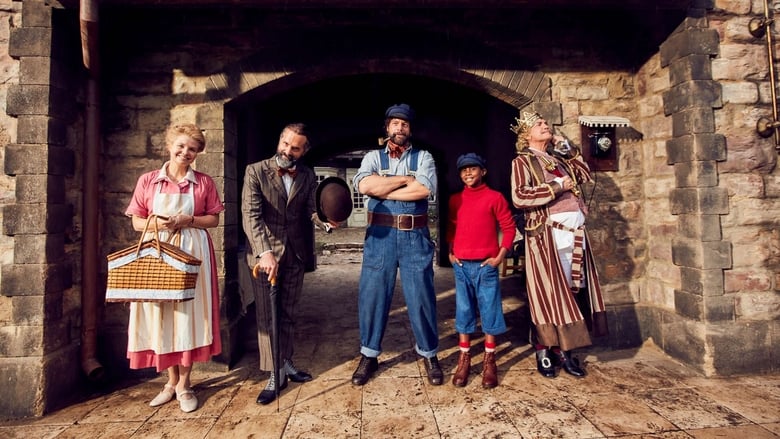 Jim Button and Luke the Engine Driver2018 · 109 min
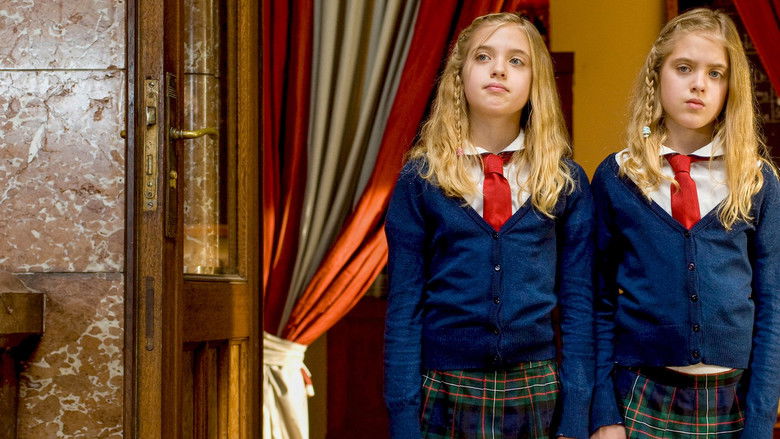 Hanni & Nanni2010 · 85 min
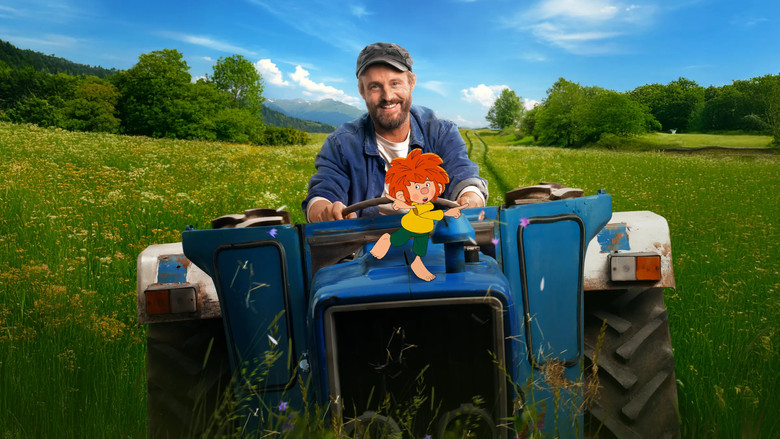 Pumuckl and the Big Misunderstanding2025 · 98 min
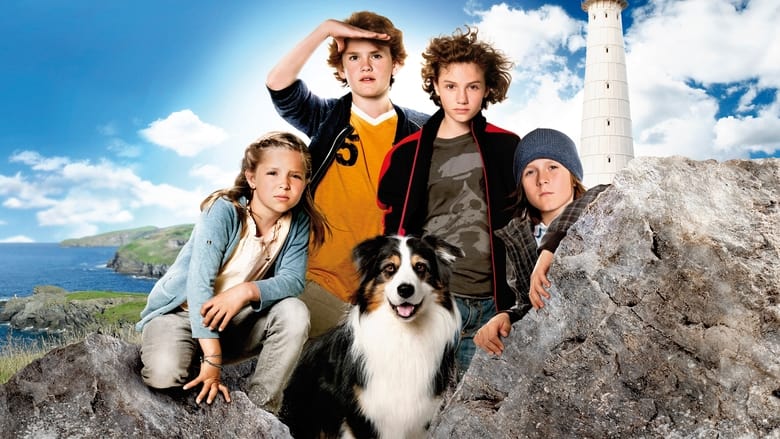 Famous Five2012 · 89 min
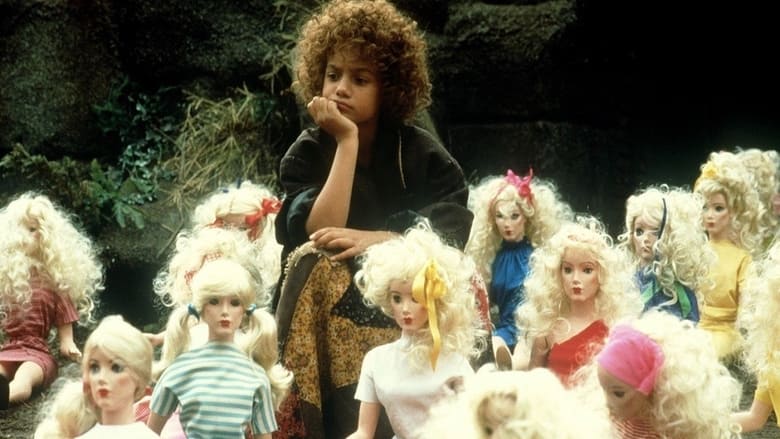 Momo1986 · 101 min
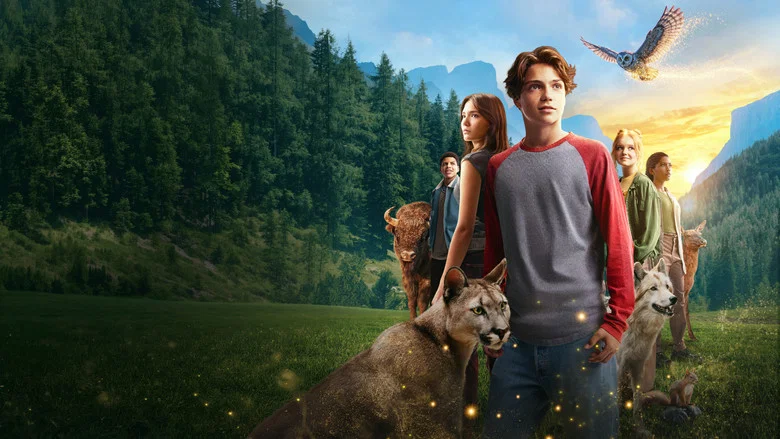 Woodwalkers 22026 · 102 min
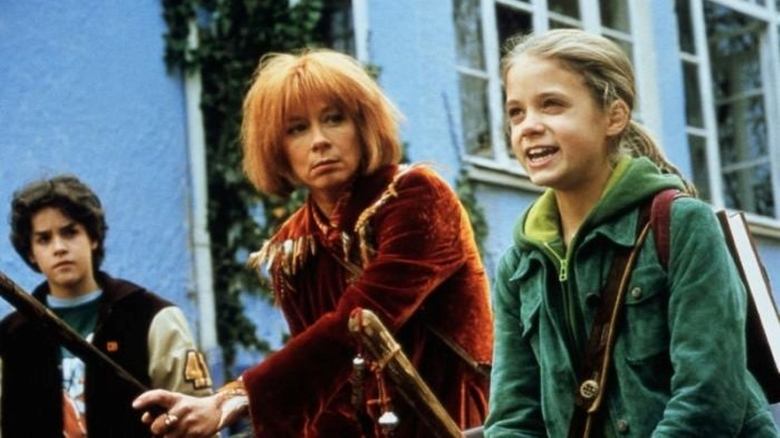 Bibi Blocksberg2002 · 102 min
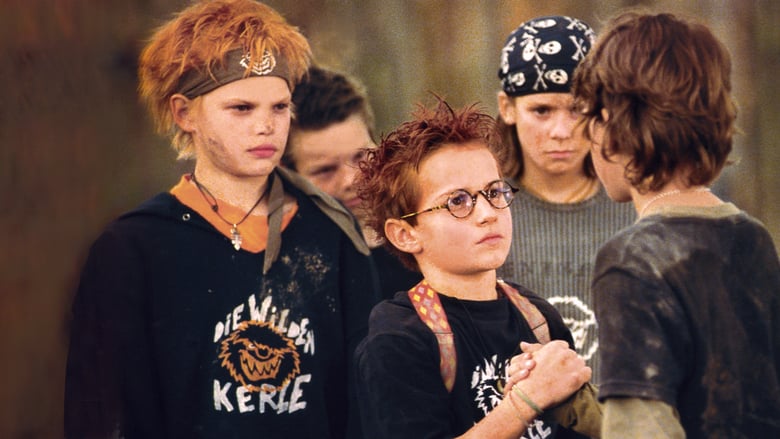 The Wild Soccer Bunch2003 · 94 min
Popular on AniWorld

The 20 newest titles
- FILMWoodwalkers 2New!
- FILMCurious Tobi and the Secret Ruler of the EarthNew!
- FILMSchool of Magical Animals 4New!
- FILMA Girl Named WillowNew!
- FILMPumuckl and the Big MisunderstandingNew!
- FILMBibi Blocksberg - Das große HexentreffenNew!
- FILMTake Me HomeNew!
- FILMSchool of Magical Animals 3New!
- FILMThe Door-to-Door BookstoreNew!
- FILMHallo Spencer - Der FilmNew!
- FILMThe Chaos Sisters feat. Penguin PaulNew!
- FILMGreetings from MarsNew!
- FILMSpuk unterm RiesenradNew!
- FILMWinnersNew!
- S01 E10The Three DetectivesNew!
- S02 E26Neue Geschichten vom PumucklNew!
- FILMWow! Message from Outer SpaceNew!
- FILMThe Three Investigators and the Dragon's LegacyNew!
- FILMNew Tales of FranzNew!
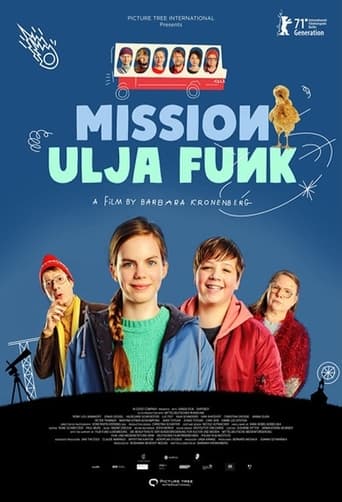
- FILMMission: School of FunNew!
Fairy tales



New on AniWorld



Our family calendar
- ~ 2023The Three DetectivesSeriesEp. 10
- ~ 2021The School of the Magical AnimalsFilm93 min
- ~ 2023Neue Geschichten vom PumucklSeriesEp. 26
- ~ 2024School of Magical Animals 3Film105 min
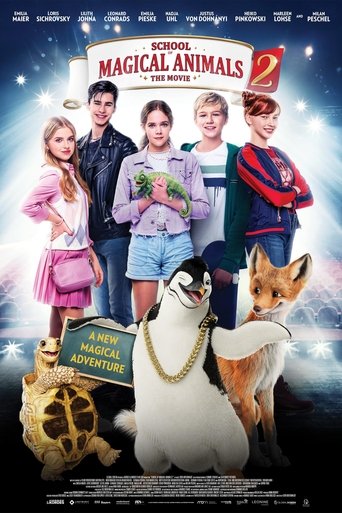
- ~ 2022School of Magical Animals 2Film103 min
- ~ 2026Woodwalkers 2Film102 min
- ~ 2020The Magic Kids: Three Unlikely HeroesFilm97 min
- ~ 2020Jim Button and the Wild 13Film110 min
- ~ 2022Immenhof - Das große VersprechenFilm100 min
- ~ 2025School of Magical Animals 4Film102 min
- ~ 2021Windstorm: The Great HurricaneFilm96 min
- ~ 2025A Girl Named WillowFilm99 min
- ~ 2025Pumuckl and the Big MisunderstandingFilm98 min
- ~ 2023Wow! Message from Outer SpaceFilm102 min
Shelves
- Kids and family series 34
- Feature films 251
- Fairy tales 63
- Magic and fantasy 51
- Kid detectives and gangs 32
- School and friends 34
- Football, horses and animals 29
- Family stories 42
- Before 1970 31
- 1970 to 1989 52
- The 1990s 14
- The 2000s 55
- The 2010s 91
- 2020 onward 42
- Top rated 25
- How to watch with AniWorld
- Fairy tales
- The DEFA fairy-tale classics
- Magic and fantasy
- Kid detectives and gangs
- School and friends
- Erich Kästner on screen
- Football and racing
- Horses and animals
- Heidi and family stories
- Classic children's television
- Learning German with films
- Christmas with AniWorld
- Finding a title
- My List
German family cinema: the AniWorld guide
AniWorld: German family films and series in English, from The Wild Soccer Bunch, Hanni and Nanni and The School of the Magical Animals to Momo, Jim Button, Pumuckl and the Grimm fairy tales
Germany has one of the richest traditions of family cinema in the world. It is the home of the Brothers Grimm and of Michael Ende, of Erich Kästner, Otfried Preußler, Cornelia Funke and Paul Maar, and for more than seventy years its studios have turned their stories into films and series that children watch again and again. Many of these treasures are little known outside the German-speaking countries, and AniWorld exists to share them. It gathers 285 German-language family films and series, made between 1950 and 2026, 251 films and 34 series, each with its own page, its story in English, its year, running time or episode list, and a Watch now button that leads to the official services carrying it in your country.
The catalogue has been chosen by hand for families. It runs from Two Times Lotte of 1950 and the painted forests of the DEFA fairy-tale films to the newest adventures of The School of the Magical Animals and the shapeshifters of Woodwalkers. There are fairy tales and witches, goblins and vampires, kid detectives and football teams, boarding schools and riding stables, mountain stories from Switzerland and Austria, and the much-loved children's television of the seventies, eighties and nineties.
Those themes form the shelves. Fairy tales holds 63 titles, Magic and fantasy 51, Kid detectives and gangs 32, School and friends 34, Football, horses and animals 29 and Family stories 42. Two format shelves split the catalogue into Kids and family series and Feature films, the decade shelves trace the story through time, with 31 titles from before 1970, 52 from 1970 to 1989, 14 from the nineties, 55 from the 2000s, 91 from the 2010s and 42 from 2020 onward, and a Top rated shelf picks out the 25 titles audiences have scored most highly.
AniWorld is for families who love good stories, for German speakers living abroad who want to share their childhood favourites with their own children, for parents and teachers who want to introduce the German language in a playful way, and for every film lover curious about a corner of European cinema that deserves a wider audience. The guides below suggest where to begin, which titles suit which ages and how to plan a German film night at home.
How AniWorld looks
AniWorld takes its look from the German site whose name it shares, a home page built around a calm, deep blue-grey and a bright periwinkle accent. The page itself is a dark slate, close to the colour of a night sky, and the header is a lighter slate band, 85 pixels tall, with a periwinkle block across its left fifth holding the AniWorld wordmark and a white globe. White menu links run along the header, the current page sits in a small dark pill, and at the right a My List link and a periwinkle All titles button echo the original Login link and Registrieren button.
Below the header comes the welcome box, framed with a periwinkle border, just as the original greeted its visitors with a short message and a few words in bold. On AniWorld the box holds the main heading, a short introduction signed by the AniWorld team and a search box. Beneath it runs one of the most recognisable details of the original design: a row of small periwinkle squares, one for each letter from A to Z and one for numbers, each leading straight to the titles that begin with that letter. Two wider buttons at the right lead to the newest titles and to the Top rated shelf.
Next comes a mosaic of rounded picture tiles, a large one on the left and smaller ones beside it, each with a soft shadow and a large white title over a line with the year and running time, or the number of seasons and episodes. The original used these tiles for new seasons and greetings, and AniWorld uses them for the favourite films of the catalogue.
The rest of the page follows the original order. A row of covers, Popular on AniWorld, sits between two round arrow buttons. A list of the newest titles follows, each row with an outlined tag for the season and episode or the word Film, a bold title, a green New tag and the year, just like the original list of the fifty newest episodes. Lower down, a family calendar with tabs across the top lists recent titles as rows of outlined tags, and a sidebar of questions from families leads to the help pages, in the place where the original showed questions from its community. The footer is the same slate as the header, with centred white links and a quiet copyright line.
The typeface is Open Sans, the same friendly font the original site used, and every colour comes from the archived style sheets: the dark slate page, the lighter slate header, the periwinkle accent and its deeper shade, the grey, blue and green outlines of the tags, and the muted blue-grey of the footer text.
Using the site
AniWorld is simple to use on a phone, a tablet or a computer. The search box finds any title by its English or German name, so typing Momo, Hotzenplotz, Hanni or Pumuckl brings the right page straight up. The letter squares lead to every title that starts with a letter, the header links lead to the whole catalogue, the Fairy tales and Magic shelves, the series and the A to Z list, and on a small screen the round menu button opens the same links together with My List and the help pages.
Every title page shows the poster, the story in English, the year, the running time or the full episode list, the main cast, the director and the studio, together with the original German title. A Watch now button sits near the top of the page. Choose your country once and AniWorld remembers it, so the button always opens JustWatch for the right place, with the subscription, rental, purchase and free services that carry the title there.
My List is a little notebook for the stories you want to see next. One press on a title page puts a film or series on it, and it waits in your browser for your next visit. A small export file carries the list to a second device, so a parent can plan the weekend fairy tales on a phone and open them later on the living-room screen.
Fairy tales
The fairy tale is the heart of German family cinema, and the Fairy tales shelf is the largest on AniWorld, with 63 titles. The stories collected by Jacob and Wilhelm Grimm two centuries ago, together with the tales of Hans Christian Andersen and Wilhelm Hauff, have been filmed again and again in Germany, Austria and Switzerland, and each generation has given them a new look. Watching several versions of the same tale is one of the great pleasures of the catalogue.
The fairy-tale film in Germany has a special rhythm. Most of them run for about an hour to an hour and a half, the perfect length for a family evening. They begin with a king, a miller, a widow or a poor tailor, they set a task or a test, and they end with kindness rewarded and pride gently humbled. The best of them are full of humour, music and wonderful costumes, and they treat their young audience with real respect.
The DEFA classics
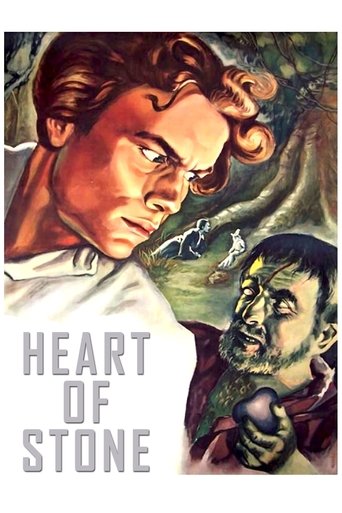
Between 1950 and 1990, the East German studio DEFA, based in Babelsberg near Berlin, made dozens of fairy-tale films, and several of them are counted among the finest family films ever made in Europe. Heart of Stone, from 1950, was the studio's first film in colour, a lavish adaptation of Wilhelm Hauff's tale of the young charcoal burner Peter Munk, who trades his heart for a stone in the hope of riches and learns what truly matters.
The Story of Little Mook, from 1953, is perhaps the most loved of all. An old man tells a group of children how, as a small boy, he set out into the world, found a pair of magic slippers and a walking stick that could find treasure, and became the fastest runner in the Sultan's palace. The colours, the costumes and the gentle humour have delighted families for more than seventy years.
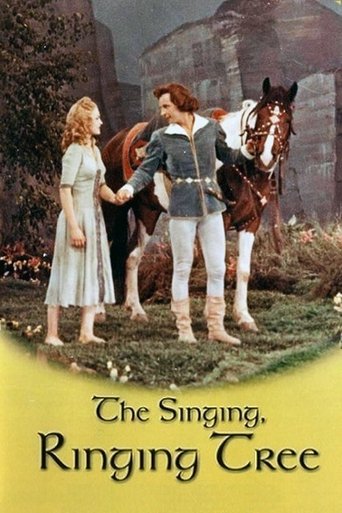
The Singing Ringing Tree, from 1957, is famous far beyond Germany. A proud princess asks a prince to bring her the singing, ringing tree, and the prince must learn patience and kindness, and she must learn humility, in a magical kingdom ruled by a mischievous dwarf. Its painted sets, giant goldfish and enchanted bear became a television favourite in Britain in the sixties, and many viewers remember it to this day.
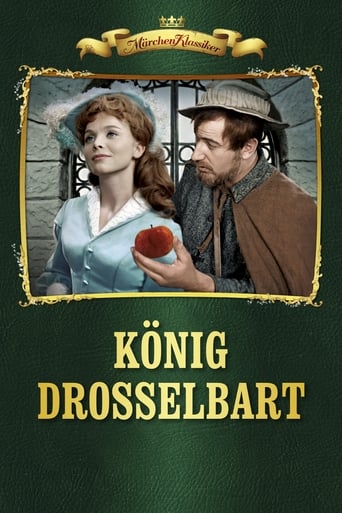
The Brave Little Tailor, from 1956, follows the tailor who swats seven flies in one blow and talks his way into the king's service, and The Tinder Box, from 1959, adapts Andersen's story of a soldier, a witch and three enormous dogs. Snow White, from 1961, and King Thrushbeard, from 1965, are classic retellings with beautiful castles and forests, and Mother Holly, from 1963, is the story of the hard-working Goldmarie and the lazy Pechmarie, who each fall down a well into the land of Mother Holly, where the snow is made by shaking feather beds.
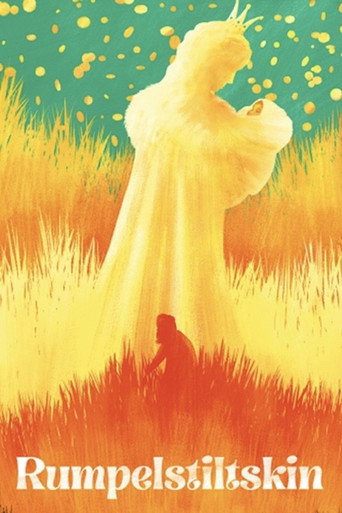
The Golden Goose, Rumpelstiltskin and The Farmer's Clever Daughter continue the tradition through the sixties. In the seventies and eighties, the DEFA tales grew more playful. Sechse kommen durch die Welt follows a soldier and five friends with remarkable talents, Hans Rockle and the Devil pits a clever puppeteer and inventor against the devil himself, Snow-White and Rose-Red follows two sisters and a bear who is more than he seems, Gritta of the Rats' Castle follows a resourceful girl and her inventor father, and The Frog Prince, from 1988, is one of the last and loveliest films of the series.
Grimm favourites
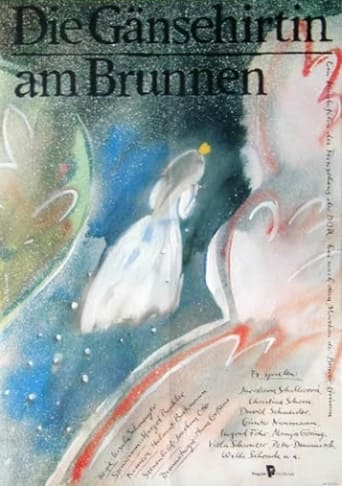
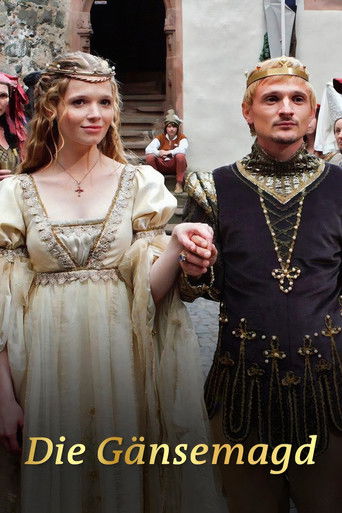
Alongside the DEFA films, AniWorld holds a wide range of Grimm favourites from other studios. Little Red Riding Hood, from 1953, and The Wolf and the Seven Little Goats, from 1957, are charming early versions for the youngest viewers. The Goose Girl, The Goose-Girl at the Fountain, The Donkey, The Table and The Stick, The Town Musicians of Bremen and Puss 'n Boots bring the West German fairy-tale films of the fifties, made for Sunday afternoons at the cinema.
Sleeping Beauty, from 1971, and Sleeping Beauty, from 1990, tell the tale of the princess and the spinning wheel in two different eras, and Rapunzel, or The Magic of Tears and Bearskin are lovely tales from the Czech and German studios of the eighties. Seven in One Fell Swoop is a playful variation on the tale of the brave tailor, and The Worn-Out Dancing Shoes follows the twelve princesses who dance every night until their shoes are in tatters.
Fairy tales for television
Since 2008, German public television has made new fairy-tale films for the Christmas holidays each year, and these one-hour films have become a family tradition. They are bright, funny and full of familiar faces from German television, and they are perfect for children who are watching their first fairy tales.
Aschenputtel tells the story of Cinderella, Frau Holle retells Mother Holly for a new generation, and Hänsel und Gretel and Hänsel und Gretel follow the brother and sister into the gingerbread house. Der gestiefelte Kater follows the clever cat in boots, Die Bremer Stadtmusikanten follows the donkey, dog, cat and rooster on the road to Bremen, and Die sechs Schwäne follows a sister who must stay silent for six years to free her brothers from a spell.
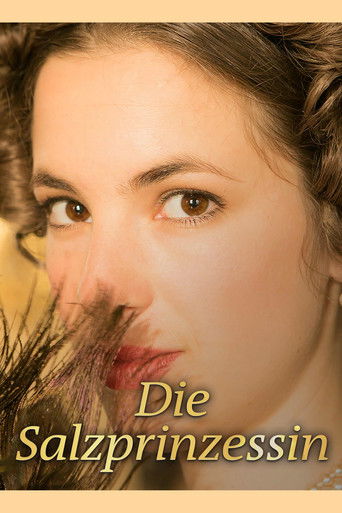
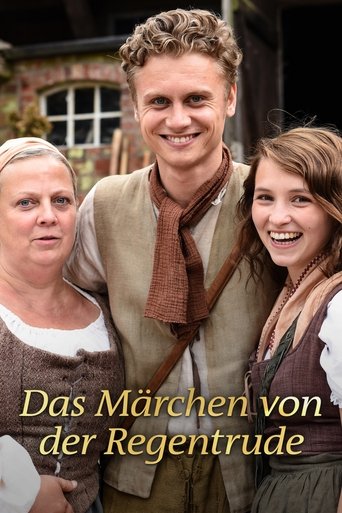
Rumpelstilzchen, Dornröschen, Rapunzel, Brüderchen und Schwesterchen, König Drosselbart, Die Gänsemagd, Jorinde und Joringel, Der Eisenhans, Das tapfere Schneiderlein and Des Kaisers neue Kleider complete a lovely collection, and Die Prinzessin auf der Erbse retells Andersen's famous test of a true princess. Among the newer films, Die Salzprinzessin tells the story of a king who asks his daughters how much they love him, Siebenschön follows a hard-working girl whose beauty is matched by her kindness, and Das Märchen von der Regentrude follows a young woman who sets out to wake the Rain Maiden and end a long drought.
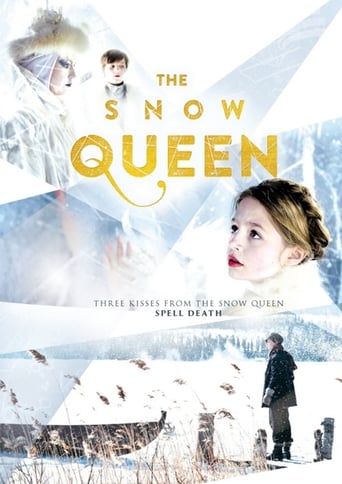
The Hauff and Andersen tales continue with Zwerg Nase, about a boy turned into a long-nosed dwarf who becomes a great cook, and The Snow Queen, while The White Snake and The Crown of Arkus are newer tales of courage and cleverness. Hans im Glück follows the cheerful Hans, who trades a lump of gold for a horse, a cow, a pig and a goose, and finds happiness at every step.
Magic and fantasy
German children's literature is famous for its magic, and the Magic and fantasy shelf holds 51 titles full of witches, goblins, ghosts, vampires, talking animals and journeys to other worlds. Many of them are based on books that have sold millions of copies, and several have become long-running film series.
Michael Ende
Michael Ende is one of the great storytellers of the twentieth century, and three of his worlds appear on AniWorld. Momo, from 1986, follows a little girl who lives in the ruins of an old amphitheatre and has a rare gift for listening. When the grey men of the Time Savings Bank begin to steal the time of the people in her town, Momo, with the help of Master Hora and the tortoise Cassiopeia, sets out to give it back. Ende himself appears at the start of the film as a traveller on a train, where a mysterious stranger begins to tell him the story.
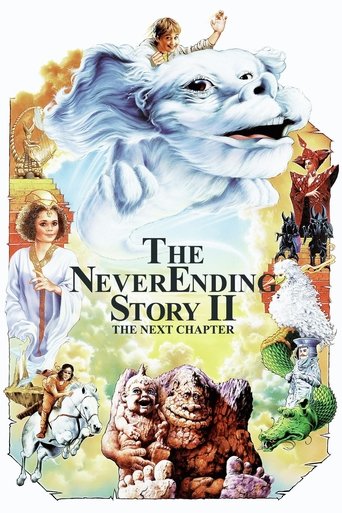
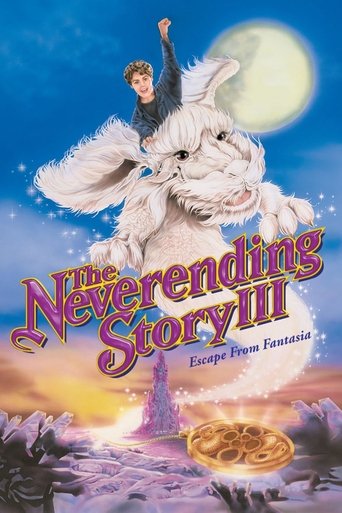
The NeverEnding Story II: The Next Chapter and The NeverEnding Story III continue the adventures of Bastian, the boy who reads his way into the land of Fantasia, with Falkor the luck dragon and many strange and wonderful creatures. Jim Button and Luke the Engine Driver, from 2018, is a big, joyful adventure about a boy who arrives on the tiny island of Lummerland in a parcel and sets off with his friend Luke and their steam engine Emma to rescue a princess. Jim Button and the Wild 13 continues the journey with pirates and a sea of adventures.
James Krüss, another great German writer, gave the world The Legend of Timm Thaler: or The Boy Who Sold His Laughter, the story of a boy who trades his laugh for the power to win every bet, and learns that laughter is worth more than any fortune.
Witches and vampires
Germany's most famous little witch is Bibi Blocksberg, who flies above the town of Neustadt on her broomstick, Kartoffelbrei, and solves every problem with a spell and a cheerful rhyme. Bibi Blocksberg, Bibi Blocksberg and the Secret of Blue Owls and Bibi Blocksberg - Das große Hexentreffen are full of colour and good humour, and the Bibi and Tina films, set at the Martinshof riding stables, are on the Football, horses and animals shelf.
Lilly the Witch: The Dragon and the Magic Book follows a girl who finds a book of spells and a small green dragon named Hector, and Lilly the Witch: The Journey to Mandolan and Lilly's Bewitched Christmas continue her adventures. A Girl Named Willow follows a girl who inherits a forest from her aunt and discovers a circle of young witches, and Four Enchanted Sisters follows four sisters, each with a magical power linked to one of the elements.
Vampire Sisters, Vampire Sisters 2: Bats in the Belly and Vampire Sisters 3: Journey to Transylvania follow Silvania and Daka, two half-vampire twins who move from Transylvania to an ordinary German town and try their best to fit in, with very funny results.
Goblins, ghosts and magical friends
Some of the most loved characters in German children's culture are small magical creatures who turn everyday life upside down. Pumuckl, created by Ellis Kaut, is a red-haired goblin who lives in the workshop of a Munich carpenter, plays tricks on everyone and makes up cheeky rhymes. Pumuckl and the Big Misunderstanding is the newest film, and the series Pumuckls Abenteuer and Neue Geschichten vom Pumuckl bring his mischief to television.
Paul Maar's Sams is a cheeky creature with a pig's snout, red hair and blue dots on its face, each dot granting one wish. The Slurb, My Magical Friend Sams and Sams im Glück follow the Sams and its gentle adopted father, Mr. Taschenbier. The Little Ghost, based on the book by Otfried Preußler, follows a friendly ghost who wakes for one hour every night at midnight and dreams of seeing the world by daylight.
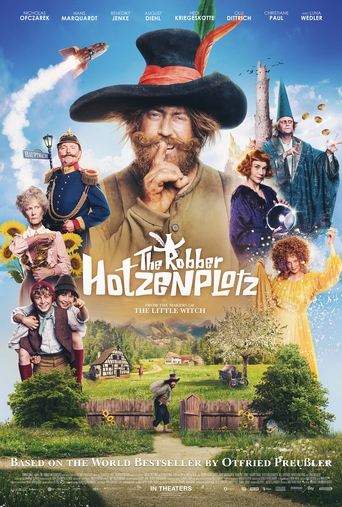
The Robber Hotzenplotz, from 2006, and The Robber Hotzenplotz, from 2022, both follow Preußler's famous robber, who steals Grandmother's musical coffee grinder, and the two friends Kasperl and Seppel who set out to get it back, with the wizard Petrosilius Zwackelmann and a fairy in the story too. Der Räuber Hotzenplotz, from 1974, is the much-loved earlier version.
Help, I Shrunk My Teacher, Help, I Shrunk My Parents and Help, I Shrunk My Friends follow Felix at the Otto Leonhard school, where a magic spell keeps shrinking people, and Help! I'm a Boy is a body-swap comedy in Hamburg. Ghosthunters: On Icy Trails, based on Cornelia Funke's books, follows a boy, a professional ghost hunter and a friendly green ghost named Hugo as they face an ancient ice ghost.
Magical animals and shapeshifters
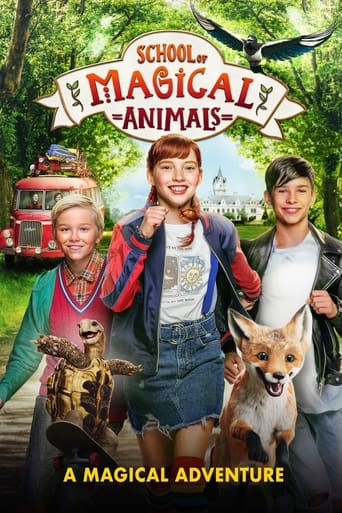
The School of the Magical Animals has become one of the biggest German family film series of recent years. Based on the books by Margit Auer, it follows Ida and her classmates at the Wintersteinschule, where each pupil receives a talking animal companion, from a fox to a tortoise, who becomes their closest friend. School of Magical Animals 2, School of Magical Animals 3 and School of Magical Animals 4 continue the story with a school musical, a forest to protect and a new friend with a secret.
Woodwalkers 2, based on the books by Katja Brandis, follows Carag, a boy who can turn into a puma, and his friends at Clearwater High, a school for shapeshifters in the Rocky Mountains. The Magic Kids: Three Unlikely Heroes follows a boy at a famous school of magic, Yoko follows a girl who finds a friendly yeti in her garden, and Robby and Toby's Fantastic Voyager follows a boy and a small robot on a big journey to help the robot find his way home.
Two Viking films round out the shelf. Wickie the Mighty Viking, directed by Michael Herbig, brings the clever little Viking from the famous cartoon series to life, and Wickie and the Treasure of the Gods sends him on a new voyage when his father Halvar suddenly disappears.
Kid detectives and gangs
Few things are more exciting for a child than a mystery to solve with a group of friends, and German family cinema is full of young detectives, secret clubs and gangs with a strong sense of fairness. The Kid detectives and gangs shelf holds 32 titles, from Berlin in the twenties to the Californian coast and the forests of Romania.
The Three Investigators, Justus, Peter and Bob, began as an American book series, but they became far more popular in Germany, where their radio plays have been best-sellers for decades. The Three Investigators in The Secret of Skeleton Island and The Three Investigators in The Secret of Terror Castle send the three friends from Rocky Beach on two spooky cases, and The Three Investigators and the Dragon's Legacy, from 2023, takes them on a summer trip to Romania and a brand new mystery.
Enid Blyton's Famous Five, Julian, Dick, Anne, George and Timmy the dog, have been adapted many times, and the German films are bright and adventurous. Famous Five follows the friends on their first holiday together at the seaside, Famous Five 2 sends them on a bicycle tour, Famous Five 3 searches for a pirate treasure, and The Famous Five and the Valley of Dinosaurs finds them in a valley full of fossils.
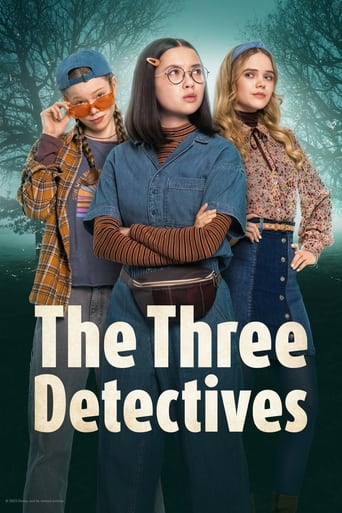
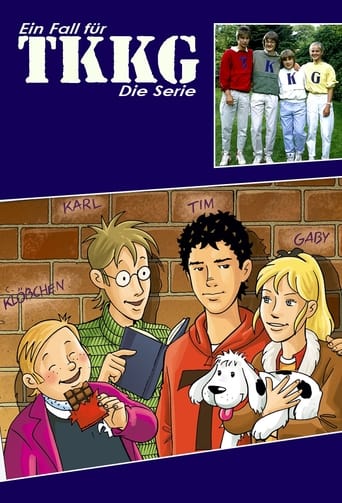
TKKG, Tim, Karl, Klößchen and Gaby, are Germany's own young detective club, created by Stefan Wolf. Four Junior Detectives, from 1992, and TKKG - The Secret of the Mysterious Mind Machine, from 2006, follow the four friends on two cases, and the series Ein Fall für TKKG brought them to television in the eighties. BFF Detectives and the series The Three Detectives follow Kim, Franzi and Marie, three girls with their own detective club.
The Crocodiles, from 2009, follows ten-year-old Hannes, who wants to join the coolest gang in town, and the friendship that grows between the gang and Kai, a boy who uses a wheelchair and turns out to be the smartest detective of them all. The Crocodiles Strike Back and The Crocodiles: All for One continue their adventures, and The Suburban Crocodiles is the earlier film of 1977, based on the same book by Max von der Grün.
Cornelia Funke's The Wild Chicks follows Sprotte and her friends, a gang of girls who care for chickens and stand up to a rival gang of boys, and The Wild Chicks and Life shows them growing older. Red Zora follows a group of orphans in a Croatian harbour town, led by a fearless red-haired girl, and the series Red Zora and Her Gang tells the same story for television. The Pasta Detectives and The Pasta Detectives 2 follow Rico, who thinks a little more slowly than others, and his brilliant friend Oskar, who wears a blue helmet everywhere, as they solve mysteries in a Berlin apartment block.
The detective shelf also holds Tiger Team: The Mountain of 1000 Dragons, The Treasure of the White Falcons, Knight's Treasure, The Secret of Loch Ness, Time Heroes, Victor and the Secret of Crocodile Mansion, The Peppercorns and the Secret of the Deep Sea and Rascals on the Road, a Swiss adventure about four children searching for a fabled treasure. Tales of Franz and New Tales of Franz, based on Christine Nöstlinger's Austrian books, follow the smallest boy in his class, and Mission Ulja Funk and Lucy Goes Gangsta are lively modern adventures.
Erich Kästner
Erich Kästner is one of the most beloved German writers for children, and his books have been filmed again and again since the thirties. He wrote with warmth and humour about children who are brave, honest and loyal, and his stories have travelled around the world.
Emil and the Detectives is his most famous book. In the 2001 film, Emil travels alone to Berlin, where a thief steals his money, and with the help of a girl named Pony and a whole gang of Berlin children, he sets out to catch the thief. The chase through the city is one of the great set pieces of German family cinema.
The story of the twins who meet at summer camp and secretly swap places to bring their parents back together has been told around the world. Two Times Lotte, from 1950, is the classic black-and-white film; Charlie & Louise - Das doppelte Lottchen, from 1994, moves the story to a language trip to Scotland; and Das doppelte Lottchen, from 2017, tells it for a new generation.
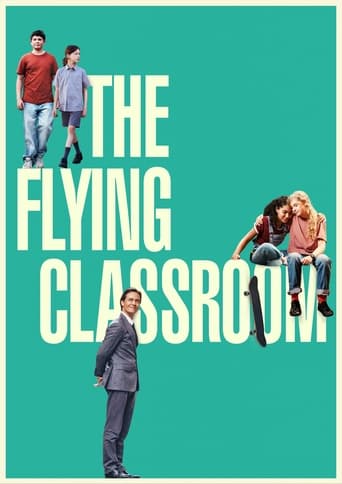
The Flying Classroom is set in a boarding school, where a group of boys rehearse a Christmas play, quarrel with the pupils of the neighbouring school and learn the value of friendship from a kind teacher they call Justus. The Flying Classroom, from 1954, The Flying Classroom, from 2003, set in Leipzig among the boys of a famous choir, and The Flying Classroom, from 2023, which brings a girl named Martina into the story, show how each era has imagined Kästner's school.
Annaluise & Anton, from 1953, and Annaluise & Anton, from 1999, directed by Caroline Link, follow Pünktchen, the daughter of a wealthy family, and Anton, a boy who works hard to care for his mother, and the friendship that crosses every boundary between them.
School and friends
School is where so many childhood adventures begin, and the School and friends shelf holds 34 titles about classrooms, boarding schools, class trips and the friendships that last a lifetime. Enid Blyton's St Clare's stories became Hanni and Nanni in Germany, and the twins have been favourites of German readers for generations. Hanni & Nanni, Hanni & Nanni 2, Hanni & Nanni 3 and Hanni & Nanni 4 follow the twins at the Lindenhof boarding school, with midnight feasts, pranks, sports days and a visit from a group of English exchange students.
Schreckenstein Castle and Schreckenstein Castle 2 follow Stephan, a new boy at a boys' boarding school in a castle, and the long-running rivalry with the girls of Rosenfels across the lake. The classic Kästner boarding school of The Flying Classroom is described above, and the three films make a lovely set to watch in order.
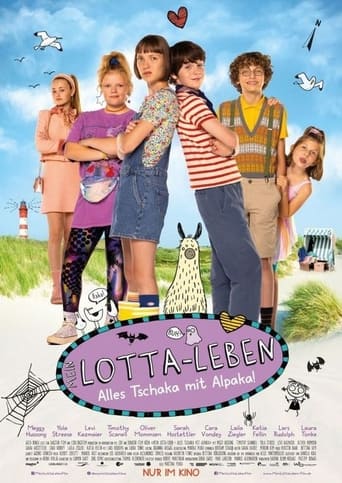
Everyday school life is just as full of adventure. My Life as Lotta - Bingo Flamingo and My Life as Lotta - Okey Dokey Alpaca follow Lotta Petermann and her best friend Cheyenne, based on the best-selling diaries by Alice Pantermüller. Here Comes Lola! follows a nine-year-old girl who moves to Hamburg and dreams of finding a best friend, and Lola auf der Erbse follows a girl who lives on a houseboat and befriends a new classmate. Conni & Co and Conni & Co 2 - Das Geheimnis des T-Rex follow the much-loved Conni as a teenager.
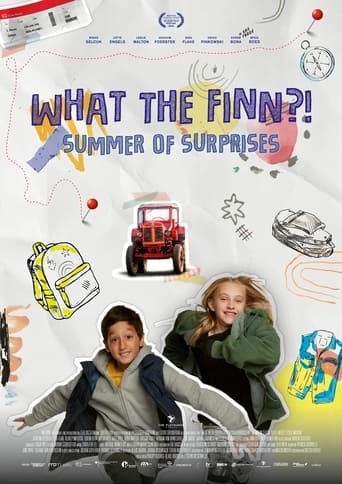
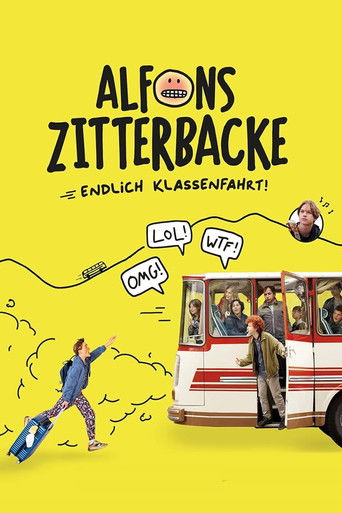
Alfons Zitterbacke, the DEFA classic of 1966, and Alfons Zitterbacke, the remake of 2019, follow a clumsy, good-hearted boy who dreams of becoming an astronaut, and Alfons Jitterbit – Class Trip Chaos! sends him on a class trip to the Baltic Sea. Mission: School of Fun, The Chaos Sisters feat. Penguin Paul, What the Finn?! – Summer of Surprises and Oskar, das Schlitzohr und Fanny Supergirl are lively recent comedies, and Hauptsache Ferien, from 1972, captures the joy of the last day of school before the summer holidays.
Football and racing
Football is the national passion of Germany, and the Football, horses and animals shelf holds 29 titles, starting with the most famous children's football films of all. The Wild Soccer Bunch, created by the writer and director Joachim Masannek, follows a gang of young footballers in a Munich suburb who defend their pitch, their friendship and their honour. The series grew into The Wild Soccer Bunch 2, The Wild Soccer Bunch 3, The Wild Soccer Bunch 4 and The Wild Soccer Bunch 5, with bigger matches and wilder adventures each time, and The Wild Soccer Bunch 6, from 2016, brings a new generation of players to the pitch.
The films were a huge success, and their young stars, including the director's own sons, became famous across Germany. Their motto, which every fan knows by heart, is a promise to stay wild and stick together.
The Devil's Kickers follows a boy who forms a new team after losing his place in the old one, Too Far Away follows two new boys at a school football club, and Winners follows a girl who has fled Syria with her family and finds her place in a Berlin primary school through football. Away from the pitch, V8 - Start Your Engines and V8 - Revenge of the Nitros follow a team of young soapbox racers, and Madison follows a thirteen-year-old cyclist who gives everything to her dream of racing.
Horses and animals
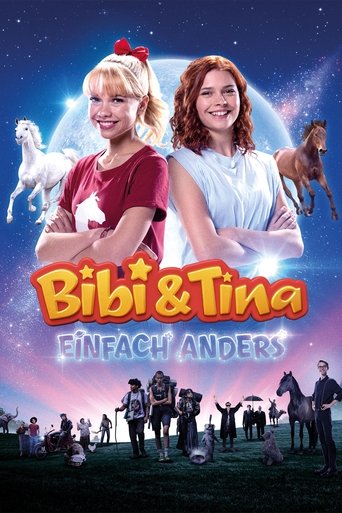
Riding stables and pony farms are as much a part of German childhood as football. Bibi & Tina: Girls vs. Boys, Bibi & Tina: Perfect Pandemonium and Bibi & Tina: Simply Different follow the young witch Bibi and her friend Tina at the Martinshof stables, with lots of music and summer fun. Immenhof - The Adventure of a Summer and Immenhof - Das große Versprechen bring back the famous pony farm for a new generation, three sisters, a racehorse and long summers by the lake, and The Twins from Immenhof, from 1973, belongs to the original series.
Windstorm: The Great Hurricane continues the Ostwind series, in which a girl and a black stallion share a bond that seems almost magical, and Wendy 2 - Freundschaft für immer follows Wendy as she helps save her grandmother's riding stable. Rock My Heart follows a teenager with a heart condition who forms a deep bond with a wild racehorse, and The Horse on the Balcony follows a ten-year-old boy in Vienna who discovers a horse living on a neighbour's balcony.
Other animals have their own films. Benjamin the Elephant brings the talking elephant from the famous radio plays into a live-action adventure at the Neustadt zoo, Rudy: The Return of the Racing Pig continues the story of a racing pig and the boy who loves him, Amundsen der Pinguin follows a girl and a penguin from Antarctica, and Sergeant Pepper is a comedy about a dog who inherits a fortune. Hands off Mississippi follows a girl who rescues a horse on her grandmother's farm, and Die Zeit der Kraniche follows a girl in the wetlands of the Havel, one of the last great bird paradises of Germany, where the cranes gather every autumn.
The young explorer of Curious Tobi and the Treasure Hunt to the Flying Rivers and Curious Tobi and the Secret Ruler of the Earth travels the world to answer big questions about nature, from the rivers in the sky over the Amazon to the creatures that shape the soil beneath our feet.
Family stories
The Family stories shelf holds 42 gentle films about growing up, about families finding their way and about the mountains, villages and cities of the German-speaking world. Johanna Spyri's Heidi is the most famous of them all. Heidi, the Swiss film of 1952, follows the orphan girl who is sent to live with her gruff grandfather in the Alps, makes friends with the goat herd Peter and brings joy to the invalid Klara in Frankfurt. Heidi und Peter, from 1955, continues the story in colour, and Heidi, from 1965, tells it again for a new decade.
The Black Brothers, based on the novel by Lisa Tetzner, follows Giorgio, a boy from a mountain village in Ticino who is sent to Milan to work as a chimney sweep, and the band of boys who stand together and find their way home. Little Mountain Boy follows Ursli, a boy from the Engadine valley who climbs high into the winter snow to find the biggest bell for the spring festival of Chalandamarz, and Mountain Miracle follows a girl with asthma who discovers the mountains of South Tyrol and a new friend.
Little Lord Fauntleroy tells the story of the kind-hearted boy from New York who learns that he is heir to an English earl, and The Door-to-Door Bookstore follows a quiet bookseller who delivers books to his loyal customers and the bright little girl who joins him on his rounds. At Eye Level follows eleven-year-old Michi, who lives in a children's home and meets his father for the first time, and Matti and Sami and the Three Biggest Mistakes in the Universe follows a boy who dreams of a family holiday in his father's home country, Finland.
The Heintje films of 1969 and 1970, Heintje - A Heart Goes on a Journey and Heintje - Einmal wird die Sonne wieder scheinen, starred the Dutch boy singer Heintje Simons, whose songs topped the charts in Germany. In the Morning at Seven the World Is Still in Order follows a cheerful family in the English countryside, and Laura's Star follows a girl who befriends a fallen star after moving to a new city.
Among the newer films, Fortune Favors the Brave follows Linh, an eleven-year-old girl who keeps her family together while her mother is away, Second Hand Child follows a thirteen-year-old boy in an East German city who finds a friend, Winter's Daughter follows a girl who travels to Gdansk to meet her father, a Russian sailor, and Greetings from Mars follows an autistic boy who imagines himself on a space mission while he stays with his grandparents. The Garden, Silly's Sweet Summer, Sputnik, Pommes Essen and Take Me Home round out a lovely collection of stories about friendship and family.
DEFA films for children
Besides its fairy tales, the DEFA studio made many films about the everyday lives of children, and several of them are on AniWorld. The Journey to Sundevit, from 1966, follows the son of a lighthouse keeper on the Baltic coast who sets out alone to join a summer camp. Moritz in der Litfaßsäule, from 1983, follows a boy who runs away from home and moves into an advertising pillar, where he meets a talking cat. Sabine Kleist, Aged Seven follows a young girl who sets off on a journey of her own through East Berlin, and Island of Swans follows a teenager who moves to a new housing estate.
The Fat Tilla, Ottokar, the World Reformer, The Brave Truant and If One Has Promised are funny, lively films about school and friendship, and Kai from the Box follows a clever boy in the Berlin of 1923 who wants to sell chewing gum to an American businessman. These films are full of the light, warmth and humour of a world that has since disappeared, and they are a wonderful window onto the childhoods of many German parents and grandparents.
Classic children's television
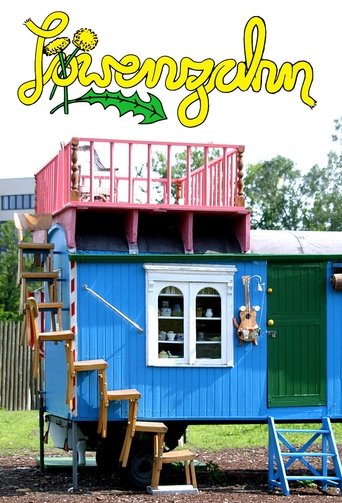
German children's television has a long and proud history, and the Kids and family series shelf holds 34 series. Löwenzahn, first broadcast in 1981, is one of the most famous. Its host Peter Lustig lived in a blue construction trailer in Berlin and explained the world with endless curiosity and good humour, and his successor Fritz Fuchs carried on the tradition. Willi wants to know follows the cheerful reporter Willi Weitzel as he visits farms, factories and workshops to find out how things work, and Bibliothek der Sachgeschichten collects the famous explanatory films of German children's television.
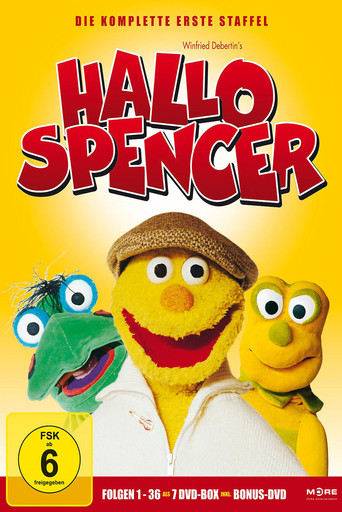
Hallo Spencer is a beloved puppet show that ran for more than twenty years, and Hallo Spencer - Der Film, from 2024, brings it back for a new generation. Lemmi and the Bookworms introduced children to the joy of reading, and Neues aus Uhlenbusch followed the children of a small farming village.
The ZDF Christmas serials are a special part of German childhood. Every year from the late seventies, ZDF showed a big adventure serial over the Christmas holidays, often filmed in faraway places. Silas follows a boy who escapes from a circus and wins a black mare, Jack Holborn follows a young stowaway on a pirate ship, and Patrik Pacard follows a boy on a thrilling adventure in the far north. Treasure Island is a two-part adventure on the high seas, and On the Road to Atlantis is a science-fiction adventure for older children.
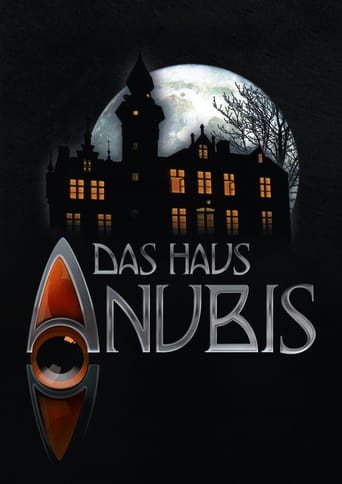
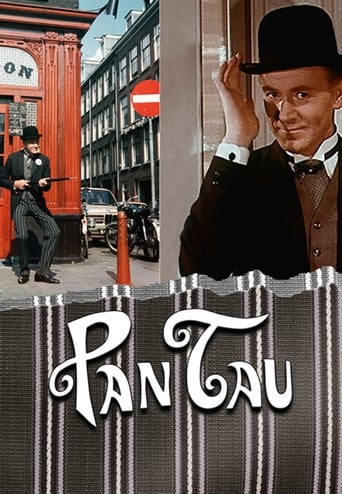
Pan Tau, made in Czechoslovakia and Germany, follows a gentleman in a bowler hat whose magic begins with a gentle tap of his hat. Ghosts under the Ferris Wheel brings three ghosts from a fairground ride to life, The Octopuses from the Second Floor follows two children and two shape-changing creatures. Der kleine Vampir – Neue Abenteuer, Krempoli - A Place For Wild Children, Die Knickerbocker-Bande, 4 Against Z, Der Schatz im Niemandsland, Das Haus der Krokodile, Ravioli and The People of Schilda complete the shelf, together with House of Anubis, a mystery series set in a boarding school.
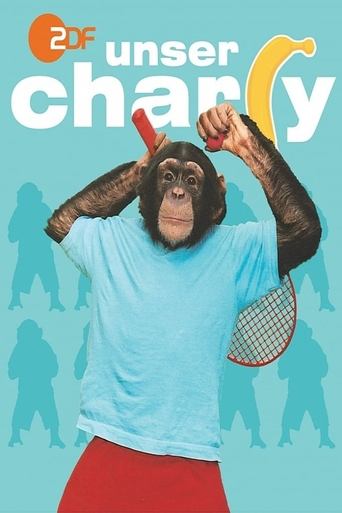
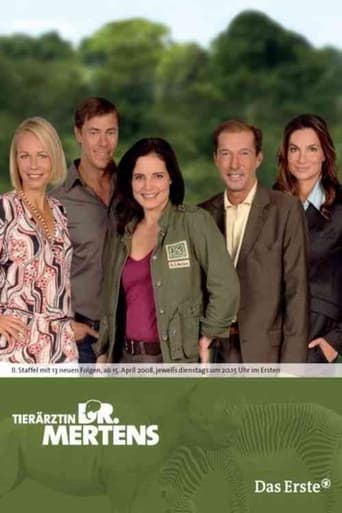
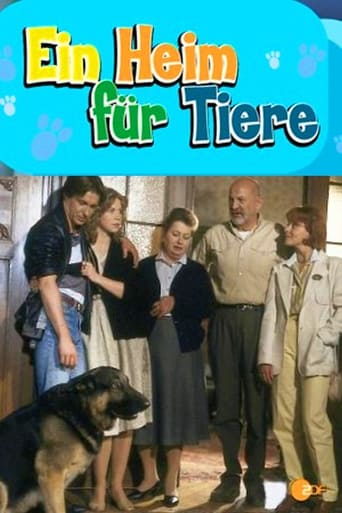
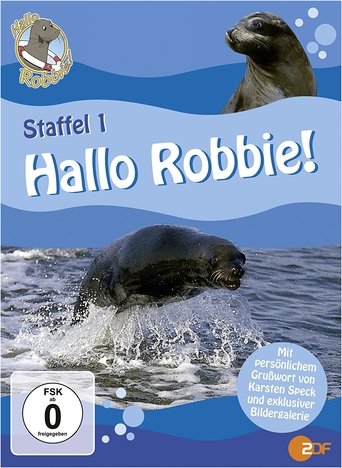
The animal series are long-running family favourites. Unser Charly follows a cheeky chimpanzee who finds a home with a Berlin vet family, Hallo Robbie! follows a seal and the people who care for him on the Baltic coast, Ein Heim für Tiere is set in a busy animal clinic, and Zoo Doctor: My Mon the Vet follows a vet at Leipzig Zoo. The White Horses follows a girl who spends her holidays among the white horses of a famous stud farm, and Nils Holgerssons wunderbare Reise follows a famous flight across Sweden on the back of a goose.
Learning German with films
Family films are one of the most enjoyable ways to learn a language, and AniWorld is a natural companion for children and adults who are learning German. Every title page lists the original German title alongside the English one, and many of the official services carry the films with German audio and subtitles in German or English, so learners can choose the level of help they need.
Begin with stories you already know. The television fairy tales, such as Frau Holle, Hänsel und Gretel, Aschenputtel and Der gestiefelte Kater, use clear, simple language, and because the plots are familiar, it is easy to follow along even with a small vocabulary. The DEFA classics speak a little more formally, which makes them excellent for careful listening.
Next, try films about everyday life. The Pasta Detectives, Here Comes Lola!, My Life as Lotta - Bingo Flamingo and Tales of Franz use the natural German of children at home and at school, full of useful words and phrases. Tales of Franz adds a touch of Austrian German, and the Swiss films, such as Little Mountain Boy and Rascals on the Road, are a lovely introduction to the sound of Swiss German.
The educational series are perfect for learners of every age. Löwenzahn and Willi wants to know speak slowly and clearly about animals, nature, machines and the work of everyday people, and they often show the objects they describe, so the meaning is easy to grasp. Watching the same episode twice, first with subtitles and then with the sound alone, is a simple and effective way to build confidence.
Through the year
German family films suit every season. In spring, when the meadows turn green, try The Story of Little Mook, Little Mountain Boy with its spring festival, or the riding films of the Football, horses and animals shelf. In summer, the holiday films come into their own: Hauptsache Ferien, The Wild Chicks, Famous Five, Immenhof - The Adventure of a Summer and Bibi & Tina: Girls vs. Boys all take place during long summer holidays.
In autumn, the season of storytelling, try Momo, The Little Ghost or Die Zeit der Kraniche, which follows the cranes as they gather for their long journey south. In winter, the fairy tales are at their best: The Singing Ringing Tree, Mother Holly, The Snow Queen and Das Märchen von der Regentrude are lovely on a cold evening.
At Christmas, When Santa Fell to Earth follows a boy who finds a young Santa Claus who has fallen from the sky, A Christmoose Carol follows a boy and a flying, talking moose who crashed through his ceiling after a test flight with Santa, Lilly's Bewitched Christmas brings the little witch into the festive season, and Die Weihnachtsgans Auguste tells the tender story of a family who grows so fond of their Christmas goose that she becomes one of the family. The ZDF Christmas serials described above are also a festive tradition.
Picks by age
For the youngest viewers, choose the fairy tales and gentle stories. The Story of Little Mook, The Wolf and the Seven Little Goats, Little Red Riding Hood, Benjamin the Elephant, The Little Ghost and Laura's Star are perfect first films, and Löwenzahn and Hallo Spencer are wonderful series for small children.
From about six, children enjoy magic and humour. The School of the Magical Animals, Bibi Blocksberg, Lilly the Witch: The Dragon and the Magic Book, Pumuckl and the Big Misunderstanding, The Slurb, The Robber Hotzenplotz and Jim Button and Luke the Engine Driver are full of fun and adventure.
From about eight, the detective and gang films are ideal. The Wild Soccer Bunch, The Crocodiles, The Pasta Detectives, Famous Five, Emil and the Detectives, Hanni & Nanni and Help, I Shrunk My Teacher offer real excitement with happy endings.
Older children and teenagers will enjoy Momo, The Legend of Timm Thaler: or The Boy Who Sold His Laughter, Woodwalkers 2, The Black Brothers, Rock My Heart, Winners and the series House of Anubis. For grown-ups watching with the family, Heart of Stone, The Singing Ringing Tree, The Door-to-Door Bookstore and Annaluise & Anton are rich and rewarding.
Planning a German film night
A German film night is easy to plan and a joy for the whole family. Begin by choosing a shelf: fairy tales for a magical evening, the detective films for a night of mystery, or the football films for a lively evening with friends. Add the chosen title to My List, check the running time on its page, and press Watch now to see where it is available in your country.
A few small touches make the evening special. Serve a German treat, such as pretzels, apple strudel or a plate of Lebkuchen at Christmas. For a fairy-tale night, read the original Grimm story aloud before the film and compare the two afterwards. For a football film, wear the colours of a favourite team, and for a detective film, give each child a notebook to write down the clues. For learners, a short list of new German words to listen for turns the film into a playful lesson.
After the film, talk about what everyone enjoyed. Which character was the bravest? Which spell would you choose if you had a Sams with blue wishing dots? Would you rather join the Wild Soccer Bunch, the Famous Five or the class of the School of the Magical Animals? These conversations are often the best part of the evening.
How Watch now works
AniWorld is a guide, and every title page leads to the official services that carry the film or series. The Watch now button opens JustWatch, a service that tracks where films and series are available, for the country you choose. It shows streaming subscriptions, rentals, purchases and free services with advertising, so you can pick the option that suits your family.
Availability changes over time and from country to country. German family films are easiest to find in Germany, Austria and Switzerland, where the public broadcasters often make their fairy tales and children's series available in their online libraries, and many of the newer films are carried by the big streaming services across Europe and beyond. Choosing your country in AniWorld makes sure the button always opens the right list. Fifteen countries are available, from Germany, Austria and Switzerland to the United States, Britain, Canada, Australia, Ireland, the Netherlands, Belgium, France, Italy, Spain, Sweden and Poland.
The help pages
AniWorld has fifteen help pages, each a short guide to one corner of the catalogue. How to watch with AniWorld explains the letter row, the title pages and the Watch now button, Finding a title shares search tips, and My List explains how to save and share your plans.
Fairy tales introduces the Grimm favourites, and The DEFA fairy-tale classics visits the treasures of the Babelsberg studio. Magic and fantasy meets the witches, goblins and magical animals, Kid detectives and gangs follows the young sleuths, and Erich Kästner on screen gathers the films of the great Berlin storyteller.
School and friends visits boarding schools and classrooms, Football and racing heads to the pitch and the soapbox track, and Horses and animals visits riding stables and animal friends. Heidi and family stories heads into the mountains, Classic children's television lists the best series, Learning German with films suggests films for language learners, and Christmas with AniWorld picks the snowiest stories for the holidays.
Hidden gems
Beyond the famous titles, AniWorld holds many smaller films that deserve a wider audience. Two Times Lotte, from 1950, is the oldest film in the catalogue and still one of the most charming. The Singing Ringing Tree and The Story of Little Mook are classics in Germany but little known elsewhere, and they are well worth discovering.
Fiddlesticks is a wonderfully inventive comedy about a village that is chosen as the most average town in Germany and the children who decide to change that. Mr. Moll and the Chocolate Factory is a cheerful comedy about a father home alone with his children, Ol' Witch follows a boy who meets a kind old witch in the lift of his new tower block, and Mein Bruder ist ein Hund follows a girl who turns her little brother into a dog with a magic stone. The Perfect Trap follows a boy who finds a magic mirror and creates a twin to do his chores, and Wow! Message from Outer Space follows a girl who dreams of following her mother into space.
Baron Münchhausen retells the tall tales of the famous baron, Rübezahls Schatz follows the mountain spirit of the Giant Mountains, Kiss Me, Frog retells the Frog King as a modern teenage story, and An Angel for May follows a boy who travels back in time through a fireplace and meets an orphan girl who needs his help. Don Quixote follows a twelve-year-old boy who finds courage in the pages of Cervantes, and Karakum - Ein Abenteuer in der Wüste follows a German boy who sets out across the deserts of Turkmenistan to find his father.
A perfect first night
If you are new to AniWorld, start with a film that everyone in the family can enjoy together. The School of the Magical Animals is warm and funny; Jim Button and Luke the Engine Driver is a big, colourful adventure; The Wild Soccer Bunch is perfect for a lively evening; and The Story of Little Mook is a gentle classic for the youngest viewers. For a series, Löwenzahn and Pumuckls Abenteuer are easy to enjoy over a week of evenings.
After the first film, let each member of the family choose the next one from their favourite shelf. Soon everyone will have a favourite hero, whether it is a little witch on a broomstick, a goblin in a carpenter's workshop, a team of young footballers or a princess in a painted forest, and the family will have a shared list of stories to return to again and again.
Why German family films matter
German family films carry a long tradition of storytelling that treats children as thoughtful, capable people. The fairy tales teach kindness, courage and humility; the Kästner stories celebrate honesty and friendship; the detective films show that children can solve problems together; and the football films teach team spirit and fair play. Many of them are based on books that children love to read, and a good film often sends a child straight back to the library.
They also open a window onto another culture. Through these films, children around the world can visit the Alps and the Baltic coast, the streets of Berlin and Munich, the villages of the Black Forest and the castles of the old fairy tales, and they can hear the sound of the German language in a playful, friendly way.
Happy viewing
AniWorld is made for families who love good stories and want to discover the treasures of German family cinema. Search for a favourite title, press a letter, browse the shelves, add a few films to My List and press Watch now when the evening comes. Every page is ready with its story, its cast and its episodes, and the help pages are ready with a fresh idea for every evening. Viel Spaß, as they say in German, and happy viewing from everyone at AniWorld.
Questions
What is AniWorld?
AniWorld is an English guide to 285 German-language family films and series made between 1950 and 2026, with a Watch now button that opens each title on JustWatch for your country.
What kinds of films are included?
Fairy tales, magic and fantasy, kid detectives and gangs, school stories, football, horses and animals, family stories and classic children's television from Germany, Austria and Switzerland.
Is this an anime site?
AniWorld keeps the look of the German anime site it is named after, and its catalogue is made of German family films and series chosen for families.
Are the films in English?
The guide is in English. Most films are in German, and many services offer subtitles or dubbing, while The NeverEnding Story II and III were made in English.
How does Watch now work?
Choose your country and press Watch now. JustWatch opens with the subscription, rental, purchase and free services that carry the title where you live.
Are the films suitable for children?
The catalogue is chosen by hand for family viewing, and the guides point out the best titles for each age.
Which DEFA fairy tales are here?
Heart of Stone, The Story of Little Mook, The Singing Ringing Tree, The Brave Little Tailor, The Tinder Box, Snow White, Mother Holly, King Thrushbeard, Snow-White and Rose-Red and The Frog Prince, among others.
What is My List?
My List keeps the titles you plan to watch in your browser. You can export it to a small file and import it on another device.
